
The Children and Inherited Knowledge
Passing (Nella Larsen Edition)This flow follows the Redfield boys as their parents disagree over whether children can be protected from racial and sexual realities.
increasing Bearing strength in each event
 decreasing
Bearing strength in each eventdecreasingThe Boys at Home
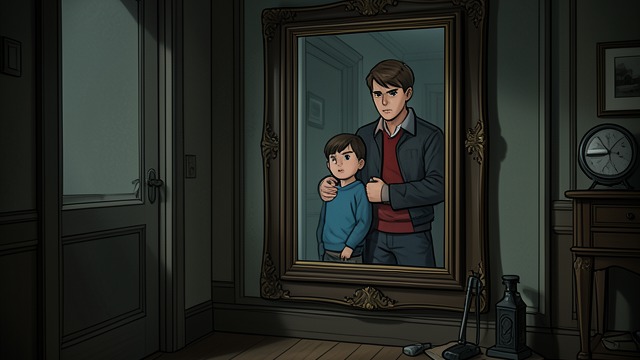
The Boys at Home
Different temperaments
Junior resembles Brian in appearance but shares Irene’s practical determination. Theodore seems more reflective and avoids unpleasant conflict.
A family mirror
Irene reads the boys through their parents’ traits. Her descriptions reveal how strongly she expects family character to follow recognizable patterns.
Clare Meets the Sons
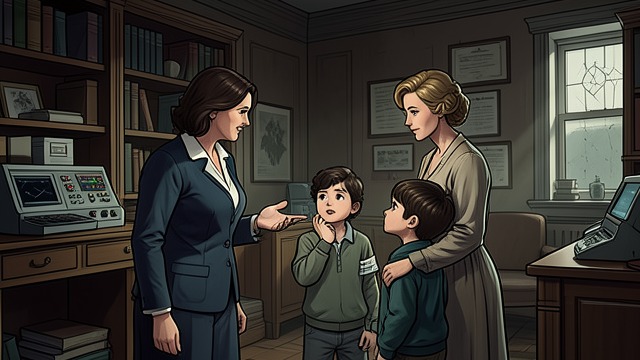
Clare Meets the Sons
A carefully framed introduction
Irene presents Clare to the boys as an old friend from childhood. Clare asks permission to join them, while Theodore answers with a pointed independence.
Affection crosses generations
The boys become drawn to Clare, especially Theodore. Her place in the household now involves more than Irene’s friendship and threatens the boundaries Irene tries to maintain.
A Dark Son Named
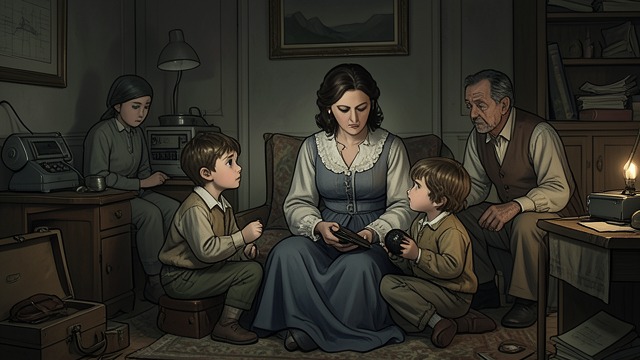
A Dark Son Named
Irene rejects color fear
When Gertrude and Clare describe fearing dark children, Irene states that one of her sons is dark. Her statement breaks the room’s assumption of shared prejudice.
Race enters the family
The exchange makes the children’s appearance part of a wider social anxiety about ancestry. Irene’s own household is not outside the color hierarchy it may resist.
The Lynching Question
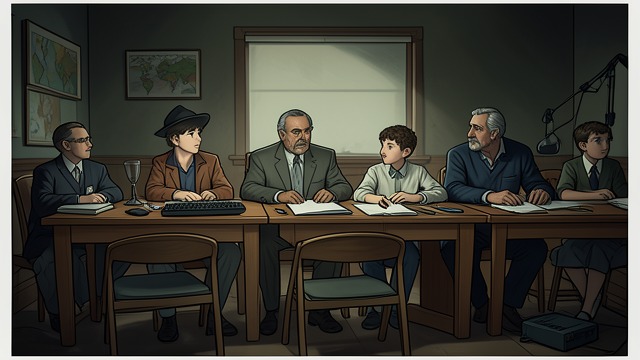
The Lynching Question
A child asks why
Theodore asks why Black people are lynched, prompting Brian to answer that white people fear them. Irene tries to prevent the conversation from continuing.
Childhood meets reality
Brian insists that the boys need to understand the danger they face. The exchange reveals that Irene’s wish for a happy childhood cannot make racial violence disappear.
The Future Left Unseen
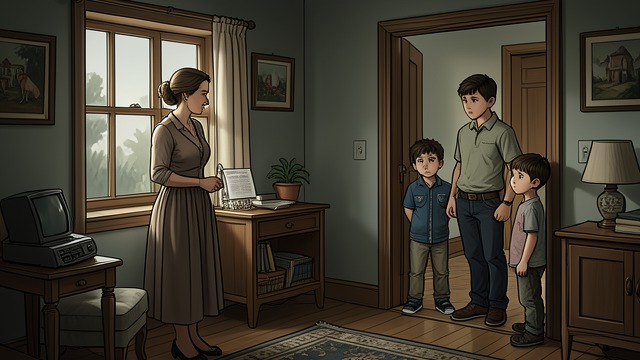
The Future Left Unseen
No later account
The novel ends before showing how the boys respond to Clare’s death or their parents’ distress. Their futures remain outside Irene’s broken narration.
Inherited uncertainty
The boys have already encountered racial insult, parental disagreement, and household tension. Their unresolved future extends the novel’s concern with what children can know and what adults conceal.
During the first weeks after Irene returns to New York
During Clare’s first visit to the Redfield home
At The Morgan, during Gertrude’s account of pregnancy
The evening before the Freelands’ party
After the final party, beyond the novel’s ending
